
News
..with you every step of the way!
Most Start-Ups Spend More Time Choosing a Logo Than Their Business Structure
When launching a new business, entrepreneurs often invest considerable time selecting a business name, creating a logo, building a website and refining their brand.
These are all important decisions.
However, one of the most important decisions a business owner will make often receives far less attention: choosing the right business structure.
What many entrepreneurs do not realise is that a poorly chosen structure can create issues around ownership, liability, succession planning, investment and future growth long after the branding decisions have been forgotten.
The Exciting Decisions Tend to Get More Attention
For many start-ups, the focus naturally falls on the visible aspects of launching a business.
Questions such as:
- What should the business be called?
- What should the logo look like?
- Which website platform should we use?
- How should we market the business?
often take priority.
Meanwhile, important legal and commercial questions are sometimes left until later:
- Should the business operate as a sole trader, partnership or limited company?
- What happens if another owner joins the business?
- How will future decisions be made?
- What happens if a founder wants to leave?
- How will investment be structured?
These questions may seem less urgent in the early stages but can have a much greater long-term impact.
The Wrong Structure Can Hold a Business Back
The business structure chosen at the outset influences almost every aspect of how a company operates.
A structure that works perfectly for a new venture may become problematic as a business grows, takes on investment or expands into new markets.
Common issues include:
- Personal liability exposure
- Disputes between owners
- Difficulties attracting investors
- Tax inefficiencies
- Problems with succession planning
- Costly future restructuring
Many of these issues can be avoided through careful planning at the start.
Growth Changes Everything
It is easy to choose a structure based on where the business is today.
The challenge is choosing one that also supports where the business may be in three, five or ten years' time.
For example:
- A sole trader may later wish to bring in a business partner.
- A family business may wish to transfer ownership to the next generation.
- A growing company may seek external investment.
- Founders may eventually want to sell the business.
The legal framework should be capable of supporting those ambitions rather than creating obstacles.
One Size Rarely Fits All
There is no universally "best" business structure.
The right option will depend on a range of factors, including:
- Commercial objectives
- Ownership arrangements
- Liability considerations
- Future growth plans
- Investment requirements
- Succession planning intentions
For that reason, businesses should be cautious about simply adopting the same structure used by another organisation or relying on online templates without considering their specific circumstances.
Expert Insight
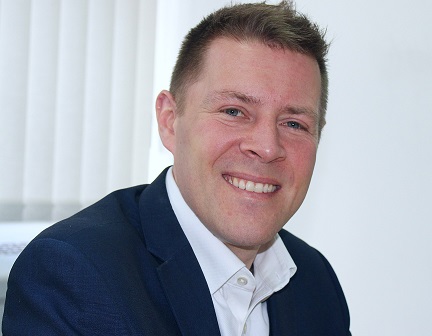
"Many business owners naturally focus on building their brand in the early stages, but the decisions that often have the greatest long-term impact are the ones made behind the scenes. Choosing the right business structure can influence everything from future investment and ownership arrangements to succession planning and business sales. Taking advice at the outset can often prevent costly problems later."
Ben Jackson, Partner, Eaton Smith Solicitors
Building on Strong Foundations
The right business structure should do more than support a business today. It should provide the flexibility and protection needed for future growth, investment and change.
Whether you are launching a new venture, reviewing an existing structure or planning for future expansion, taking advice at an early stage can help ensure your business is built on solid foundations.
For advice on company formation, business structures, shareholder agreements and corporate governance, contact Eaton Smith's Corporate & Commercial team.